

What Do Agricultural Electrical Services in Colorado Cover?
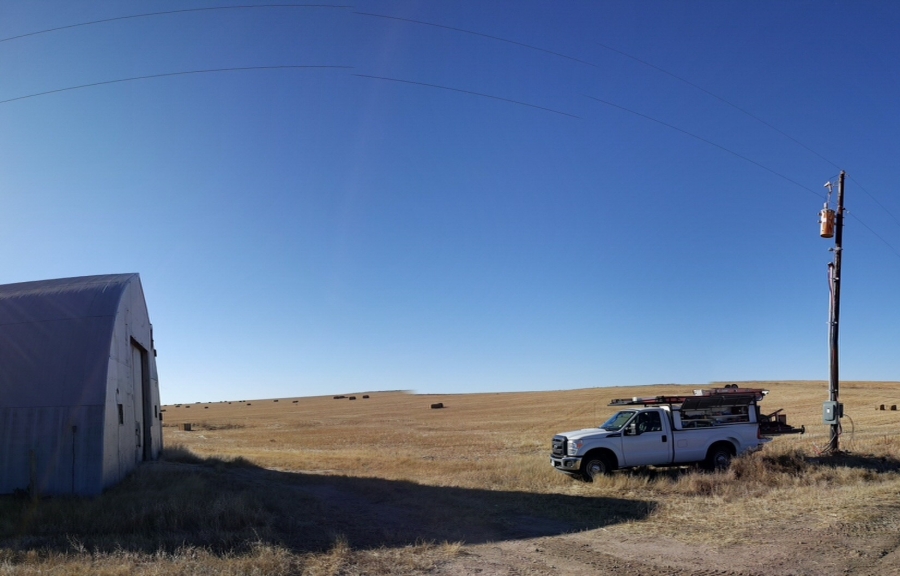
Agricultural electrical services in Colorado span three categories: equipment power for pumps, dryers, and processing machinery, building wiring for barns and confinement areas, and site distribution feeding multiple structures from one meter pole. Electrical requirements change with the equipment, building use, and conditions inside the structure. A grain elevator, milking parlor, and machine shed can place very different demands on wiring, distribution, and equipment selection. Irrigation pumps, ventilation equipment, grain dryers, and other high-demand systems also need electrical infrastructure sized around how and when the equipment operates. Planning for those loads early gives farms room to add or replace equipment without treating every upgrade as a separate electrical project.
NEC Article 547 Requirements for Agricultural Buildings
Article 547 of the National Electrical Code addresses agricultural buildings where conditions such as excessive dust, moisture, or corrosive atmospheres can affect electrical installations. Barns, poultry houses, grain storage areas, and similar agricultural spaces may require wiring methods and equipment suited to those conditions. A building that looks like simple storage can still present conditions that affect its electrical requirements, so we evaluate the environment before selecting wiring methods and equipment.
Stray Voltage and Grounding in Livestock Buildings
Small voltage differences between conductive surfaces can create problems in livestock confinement areas. Article 547 addresses that risk through requirements that can include equipotential planes in applicable areas. Proper grounding and bonding help reduce electrical hazards around livestock while supporting the reliable operation of equipment throughout the building.
Rural Farm Power in Weld and Larimer Counties
The serving utility can affect service design, equipment placement, and project scheduling. Some farms across Weld, Larimer, and Boulder counties receive power through rural electric cooperatives such as Poudre Valley REA. Service territory can affect line extensions, distribution point placement, utility coordination, and the timeline for energizing new equipment or buildings. Coordinating those requirements before installation begins helps keep the electrical plan aligned with both the property and the serving utility.
Plan Your Farm Electrical Project
Farm electrical systems have to keep critical equipment running through demanding conditions. They protect livestock, keep irrigation running through a dry stretch, and hold up to dust, moisture, and years of hard use. Our agricultural electricians in Colorado can coordinate projects from the initial site walkthrough to final inspection, with the electrical plan built around the property's equipment, buildings, and operating conditions. That early look also gives us a chance to identify capacity or infrastructure concerns before installation begins.
Contact us today to schedule a site walkthrough for new wiring, equipment upgrades, or backup power planning on your farm or ranch.