

What Does a Restaurant Electrician in Englewood Actually Handle?
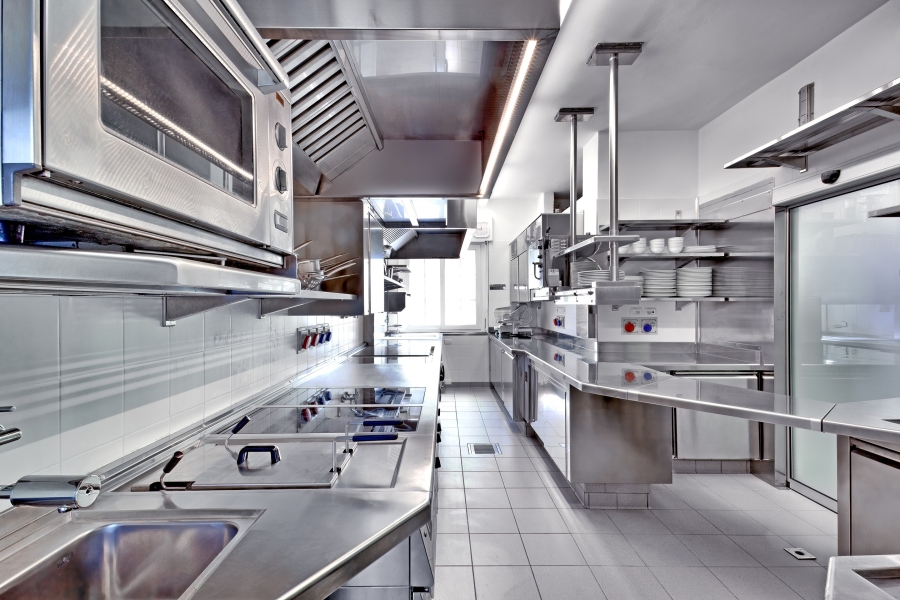
A restaurant electrician in Englewood manages the electrical scope of a commercial kitchen, from panel capacity through dedicated circuit installation and code-compliant wiring. Kitchen environments combine high-amperage equipment, moisture exposure, grease exhaust systems, and continuous daily cycling that accelerates wear on every junction.
Typical scopes include panel upgrades, 208V and 240V circuits for commercial ranges and ovens, code-required GFCI protection in wet prep areas, and subpanel additions when a kitchen expands. Each task carries permit requirements under Arapahoe County and the City of Englewood and bypassing that process exposes the owner to liability during inspections and insurance claims.
Does Your Kitchen Have Enough Electrical Capacity?
Insufficient electrical capacity is the single most common reason commercial kitchen equipment underperforms or fails early. High-draw appliances like refrigeration units and cooking equipment create a cumulative load that most legacy panels were never sized to handle.
When circuits are undersized, breakers trip, voltage drops, and motors run hot. That stress shortens equipment lifespan and raises operating costs.
Colorado adopted the 2023 NEC edition statewide, setting ampacity requirements for commercial cooking equipment. Restaurants in Englewood that added equipment without a panel evaluation often run beyond rated amperage. A load calculation defines where your system stands before a failure occurs, and a panel upgrade costs far less than downtime or spoiled inventory during peak service.
Commercial Kitchen Electrical Work vs. Standard Commercial Work
The key difference is classification. Commercial kitchens require wiring rated for wet and damp environments, along with equipment connections that meet manufacturer specifications. Exhaust hood wiring must align with fire suppression systems, and prep lighting must meet inspection standards. These requirements do not exist in typical office or retail spaces.
Before any new equipment goes online, a licensed electrician assesses the inherited infrastructure. Across Englewood, including properties near Centennial and the South Platte corridor, that step is critical: restaurant spaces change hands often, and inherited electrical systems are rarely sized for the next concept.
What Permits Does Restaurant Electrical Work Require in Englewood?
Every electrical project in a restaurant needs authorization from the City of Englewood Building Division: new circuit installations, panel modifications, and service upgrades all fall under that requirement. Projects involving exhaust hood wiring or fire suppression work call for sign-off from the Englewood Fire Marshal as well. Unpermitted work generates code violations that emerge during health inspections and complicate future sales or refinancing. Licensed contractors handle permits as part of the scope, keeping approvals moving efficiently.
How Long Does Restaurant Electrical Work Take?
Panel upgrades, dedicated circuit runs, and subpanel additions are typically completed within one to three days, depending on access and permit coordination. Scheduling wraps around service hours to protect revenue. Emergency repairs move faster, often the same day, because a kitchen without power cannot operate.
Hire a Restaurant Electrician in Englewood Who Knows the Code
Restaurants in Englewood operate under electrical requirements that differ from standard commercial properties. Health department clearance, fire marshal sign-off, and Arapahoe County permit inspection all converge at the electrical system. A team that understands those checkpoints keeps your project on schedule.
P&L Electric serves restaurant owners and operators across South Broadway, the Hampden corridor, and Belleview Avenue. Our commercial electrical services cover capacity assessment, permitted installations, and ongoing maintenance.
If your restaurant is adding equipment, renovating a space, or dealing with recurring breaker issues, contact us today to schedule a capacity evaluation and eliminate the risk before it hits service.