

What Does a Food Processing Electrical Contractor Do?
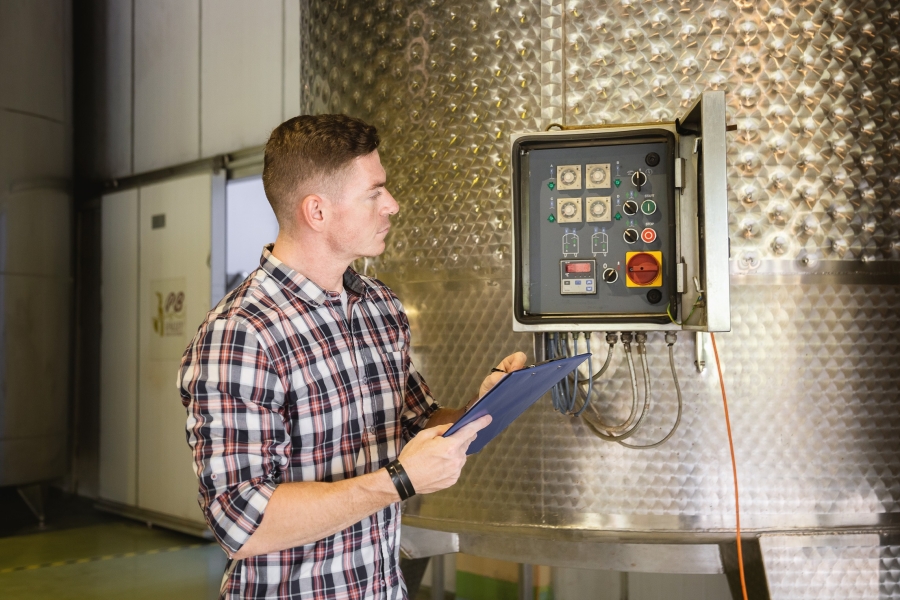
A food processing electrical contractor works with power distribution, conduit, controls, motors, refrigeration circuits, and other electrical equipment throughout the facility. Food plants can also introduce conditions that aren't present in a typical commercial property, including washdown areas, moisture, refrigeration equipment, and continuous production schedules. Electrical components must be selected and installed for the conditions where they'll operate, especially in areas exposed to water, cleaning processes, or other environmental hazards. We cover these requirements in more detail in our guide to washdown rated enclosures.
Why Do Food Processing Plants Need Three-Phase Power?
Three-phase power supports many of the larger motors and equipment used in food processing, including industrial mixers, conveyors, packaging lines, pumps, and refrigeration compressors. As production equipment is added or electrical loads change, an existing service may no longer have the capacity or distribution needed for the facility's current demand. Depending on the system, improvements may include service upgrades, dedicated circuits, load balancing, motor controls, or other changes identified during an electrical assessment. Planning upgrades around the actual equipment load helps reduce electrical problems when multiple systems operate at the same time.
What Does Cold Storage Wiring Require in a Food Processing Facility?
Cold storage areas can expose electrical equipment to moisture, condensation, temperature changes, and demanding refrigeration loads. Wiring methods, conduits, enclosures, disconnects, and other components need to match the conditions in the area where they're installed. Ammonia refrigeration can add another layer of electrical safety requirements because some locations within these systems may require hazardous-location classification. Identifying those classifications correctly helps determine what electrical equipment and wiring methods are appropriate for the space.
How Do Electrical Capacity and Code Compliance Affect Food Plants?
Electrical capacity and code compliance often need to be evaluated together when a food processing facility adds equipment, modifies production lines, or upgrades existing systems. New loads can affect panels, feeders, motor controls, disconnects, and other parts of the electrical system, while the work itself must meet applicable electrical requirements. Planning both sides of the project together can reduce rework and help the facility prepare for future equipment changes without treating each upgrade as an isolated problem. Evaluating industrial motor efficiency can also help identify opportunities to improve how motor-driven systems use energy as equipment is upgraded.
How Do You Know When It Is Time to Upgrade Your Plant's Electrical System?
Electrical problems often show up before a complete failure stops production. Repeated breaker trips, lights that dim when large motors start, equipment startup problems, overheating components, or panels approaching capacity can signal that the system needs attention. An electrical assessment can help identify whether the issue comes from available capacity, load distribution, aging equipment, motor starting demands, or another part of the installation. Finding the cause early also gives the facility more room to schedule repairs or upgrades around production instead of reacting after an unexpected outage.
Work With a Food Processing Electrical Contractor in Greeley, CO
Food processing facilities depend on electrical systems that can support refrigeration, motors, controls, production equipment, and changing loads without turning every upgrade into a disruption. P&L Electric works with industrial facilities throughout Greeley and Weld County to evaluate existing systems, plan electrical improvements, and coordinate work around operating schedules.
If your facility is showing signs of electrical strain or you're planning new equipment, contact our team to discuss your electrical needs and next steps.